

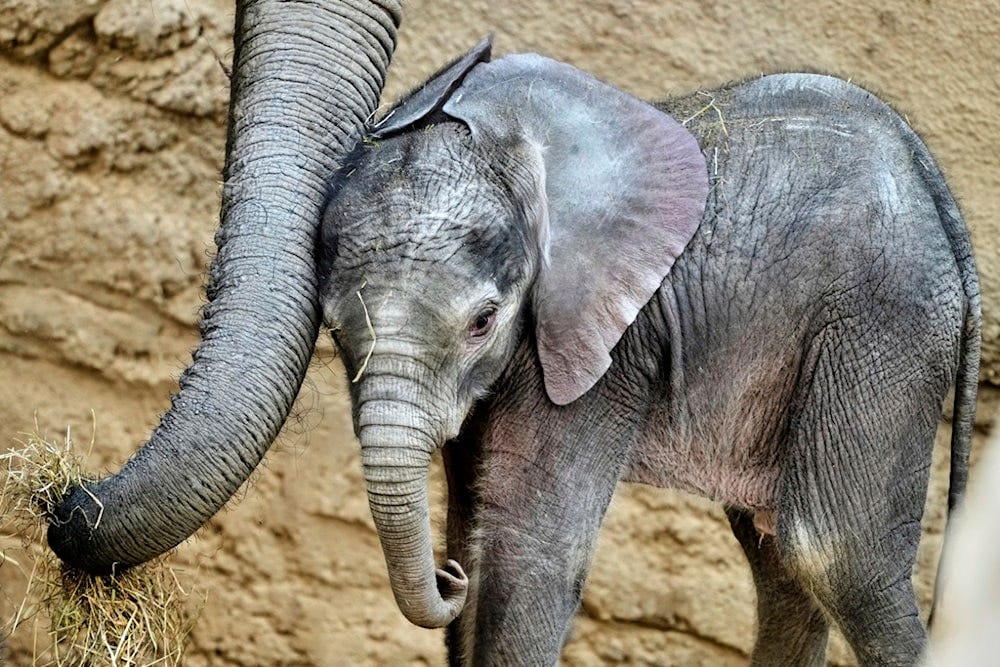
Kenyan wildlife authorities have opened an investigation after 15 elephants died in the areas surrounding Amboseli National Park over the course of a single month, with early findings pointing to possible exposure to a toxic substance, The Guardian has reported.
The Kenya Wildlife Service said 10 of the animals showed partial paralysis shortly before dying, each within roughly two days of the first symptoms appearing. Investigators could not establish whether the remaining five had suffered the same condition, as their remains were either badly decomposed or had been scavenged.
The deaths occurred in the Kimana Sanctuary and on Kuku Ranch, both close to the park. Most of the dead were females and calves; only one adult male was among them.
Two laboratories, two answers
Samples taken from the carcasses were sent for analysis. Tests at the University of Nairobi identified what authorities described as a possible toxic substance — but further examinations at a government laboratory detected none of the toxins covered by its testing process, leaving the cause unresolved.
The Kenya Wildlife Service said laboratory work was continuing, alongside efforts to determine whether the animals had encountered a shared environmental contaminant. “Environmental investigations are also being undertaken, including the analysis of water sources and other potential environmental contaminants within the affected areas, to establish whether the elephants were exposed to a common source,” the authority said.
Kenya has recorded elephant poisonings before, in cases linked to poaching and to conflict between local communities and wildlife. Authorities said there was no indication the condition was infectious or posed any danger to people.
Amboseli, near the Tanzanian border and known for its large herds and views of Mount Kilimanjaro, is thought to support a population of around 2,000 elephants.
Reference: Al-Mayadeen