

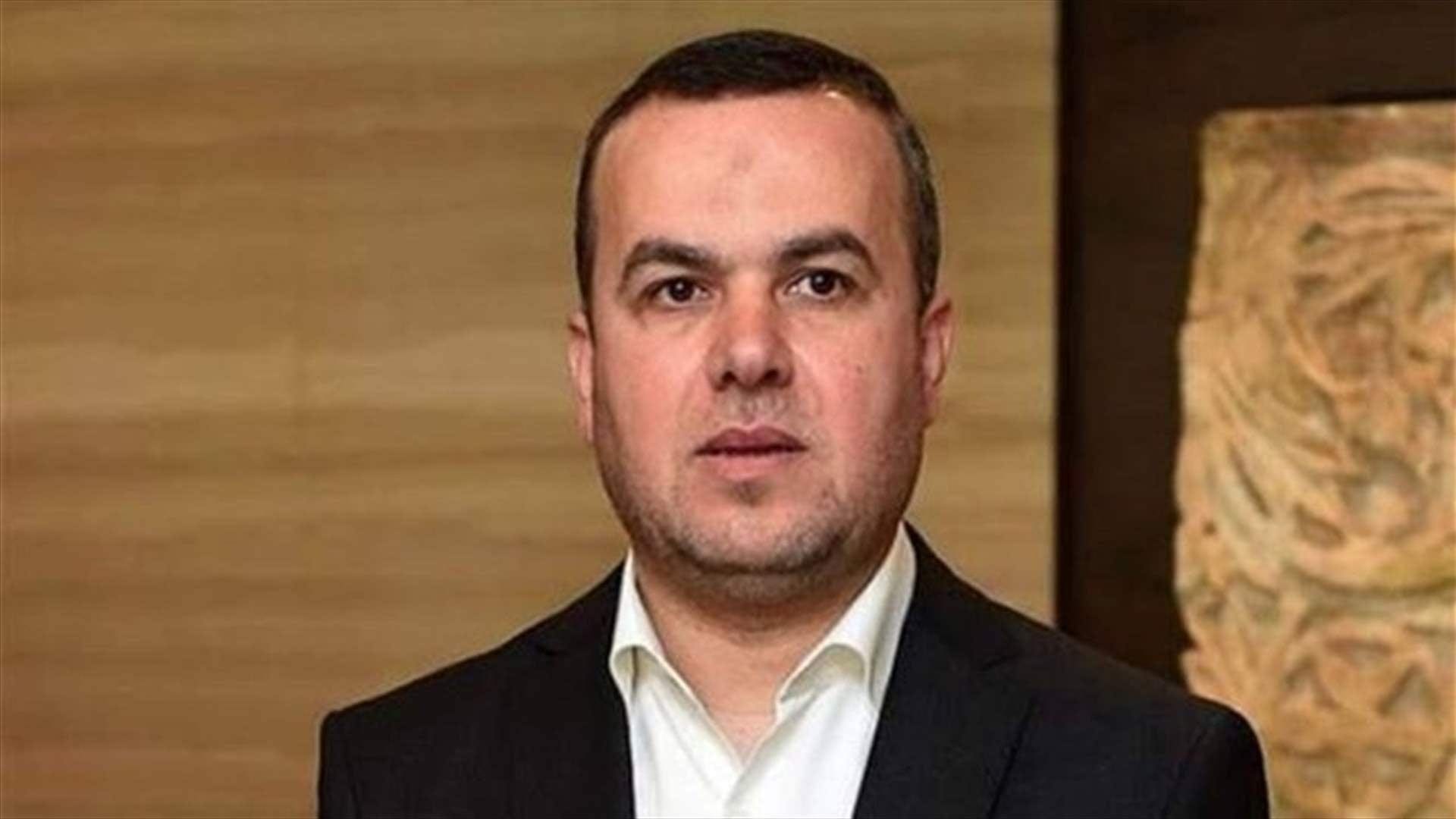
Lebanon, PUREWILAYAH.COM — Hassan Fadlallah affirmed that the Lebanese Resistance has once again established facts on the ground, as tens of thousands of civilians returned to their southern villages following the entry into force of a 10-day ceasefire at midnight.
Speaking from Beirut’s southern suburb, the MP from the Loyalty to the Resistance bloc said political rhetoric from Washington or Tel Aviv cannot translate into facts on the ground in the face of the Resistance and the steadfast Lebanese population.
He credited the ceasefire to the steadfastness of the Lebanese people, alongside Iranian pressure.
“Bint Jbeil, al-Taybeh, and al-Khiam forced the enemy to retreat,” Fadlallah said, attributing the outcome to resilience, determination, and adherence to land and rights.
Rejects Surrender Terms
Fadlallah drew a firm red line, rejecting any surrender terms or imposed arrangements, and ruling out compromises on national principles.
He outlined core demands: full Israeli withdrawal, the unconditional return of displaced civilians, the release of detainees, and the immediate launch of reconstruction.
“We will not accept surrender. This is a settled matter,” he said, stressing that the objective extends beyond a ceasefire to the restoration of sovereignty, dignity, and control over land.
A Warning to Authorities: Stand with the People
Fadlallah issued a direct warning to Lebanese authorities against falling into the trap of Israeli blackmail under the guise of ceasefire arrangements.
If Washington seeks to grant the occupation “freedom of movement” inside Lebanon, such concessions—he stressed—will collapse under the weight of popular rejection and Resistance presence on the ground.
He urged officials to seize this historic moment by aligning with regional dynamics shaped by emerging coordination between Iran and Saudi Arabia, rather than relying on American mediation that has consistently served Israeli interests.
“Bet on your people, not on submission,” he said, calling on authorities to reverse any concessionary path and restore trust with the nation.
Resistance Sets the Equation
Fadlallah underscored that the Resistance has imposed a new strategic equation that cannot be bypassed—not politically, not militarily, and not socially.
He pointed out that opposition to normalization or direct negotiations with the Israeli entity extends far beyond any single sect, forming a broad national front that has historically defeated capitulation projects—such as the 1983 May 17 Agreement.
“No one can bypass this reality,” he stressed.
Regional Momentum Beyond Washington
Highlighting ongoing regional developments, Fadlallah pointed to the diplomatic track taking shape in Islamabad as a serious alternative framework—one rooted in regional actors, not American dictates.
He called on Lebanese leadership to build on this momentum and leverage the pressure that secured the ceasefire, instead of pursuing bilateral arrangements that only serve Israeli objectives.
Resistance Ready for Any Scenario
On the possibility of renewed hostilities, Fadlallah delivered a clear message: the Resistance remains fully present and prepared.
If the enemy resumes aggression after the ceasefire deadline, it will be met with firm confrontation—step by step, without hesitation.
The People Return, the Land Endures
As thousands of families made their way back south, scenes of resilience unfolded across Lebanon.
Convoys filled the roads, horns echoed through neighborhoods, and the spirit of return overcame the scars of destruction.
Despite weeks of Israeli aggression, the people’s will remained unbroken.
“Your voice was stronger than aircraft and artillery,” Fadlallah told the returning population, saluting their unwavering attachment to their land.
From the reopening of key crossings over the Litani River to the continuous flow of civilians toward Nabatieh and beyond, the message is unmistakable:
Lebanon is not stepping back. The return of its people to the South is unfolding as a direct assertion of presence, resilience, and control over their land. (PW)