

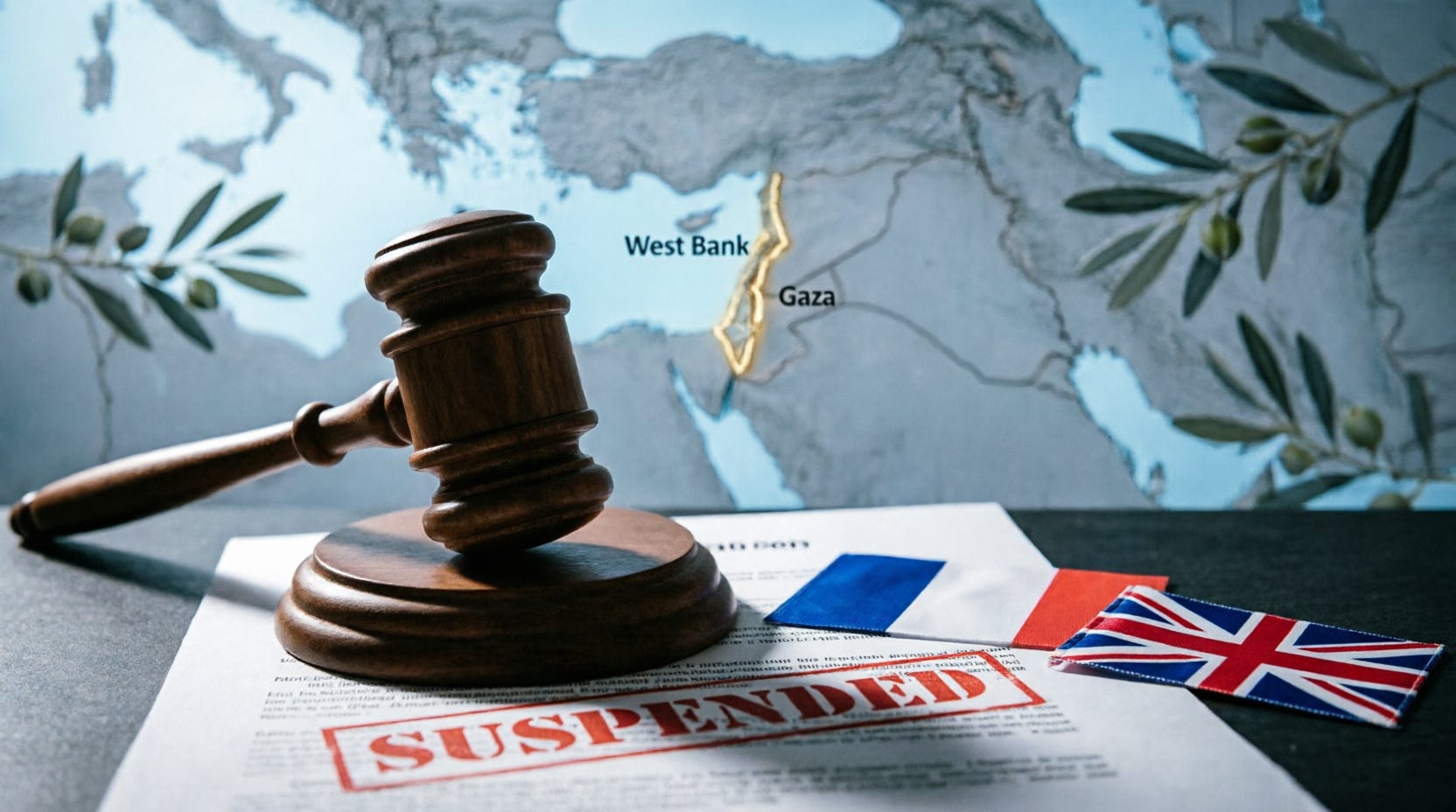
In a significant development signalling a major shift in European foreign policy, key diplomatic voices in France and the United Kingdom are pushing for tangible, punitive measures against the Israeli regime. Recent statements from both nations highlight a growing consensus that verbal condemnation is no longer sufficient, demanding economic sanctions and trade restrictions in response to the ongoing humanitarian catastrophe in Gaza and the relentless expansion of illegal settlements in the occupied West Bank.
France Demands EU-Wide Trade Suspension
French Foreign Minister Jean-Noël Barrot has intensified pressure on the European Union to restrict trade with illegal Israeli settlements in the occupied West Bank. Speaking to RFI, Barrot emphasised that these settlements have no legal standing and argued that it is unacceptable for the EU to facilitate commerce tied to them.
“The settlements are illegal. It is not normal that the European Union can support this trade,” Barrot stated. He drew a direct parallel to the bloc’s 2014 response to Russia’s annexation of Crimea, where imports were similarly halted, arguing the same logic must apply to settlement trade.
Barrot also condemned the sharp surge in settler violence by Israeli occupiers across the West Bank, warning that it undermines Palestinian dignity and further erodes any prospects for a two-state settlement. While France and Sweden have jointly proposed tariffs and stricter import licensing, other European nations are already taking independent action. Slovenia, Spain, Ireland, and Belgium have already enacted bans on settlement imports, with the Netherlands set to enforce its own ban later this month. However, the bloc remains divided, with nations like Germany, Austria, Czechia, and Hungary resisting such sanctions.
UK Signals “More Decisive” Action and Sanctions
Simultaneously, UK Foreign Secretary Ed Miliband has called for his government to act “more decisively” regarding the devastation in Gaza. Following meetings with aid workers and individuals returning from the besieged strip, Miliband described the situation as “horrific,” recounting stories of blocked medicines and children dying while awaiting life-saving treatments.
“The UK must act, and act more decisively,” Miliband declared, amplifying pressure on Prime Minister Andy Burnham’s government to move from statements of concern to concrete measures, such as a full arms embargo.
The Green Party’s deputy leader, Mothin Ali, sharply criticised the government’s hesitation. He pointed out that deliberately blocking lifesaving medicine and the resulting deaths fall under the Genocide Convention, questioning why the UK continues to send RAF planes to the region and refuses to implement comprehensive sanctions or officially recognise the acts as genocide by name.
Furthermore, the UK government is signalling a major policy shift, indicating it could impose “comprehensive” sanctions on Israel in the coming weeks. This potential move is largely in response to Israel’s accelerating annexation of the occupied West Bank, particularly the E1 settlement project, which threatens to further fragment Palestinian territory and displace Palestinians.
A European Turning Point?
The synchronised momentum from both Paris and London illustrates a critical turning point in international diplomacy regarding the Palestinian cause. As humanitarian suffering in Gaza deepens and illegal settlement expansions accelerate in the West Bank, major European powers are increasingly finding the status quo untenable. Whether these national initiatives can overcome internal EU divisions and result in a unified bloc-wide response remains to be seen, but the message is clear: the patience for empty diplomacy is wearing thin, and the demand for accountability is growing louder.
Reference: Al-Mayadeen
Stop supplying weapons for a genocide. Stop killing children. When you go to war against the cowardly Jews then we might listen. But so far you lot are talking twaddle and doing fuck all to help. Load those planes up and bomb the Jew rats. Then we'll think you're talking the truth