

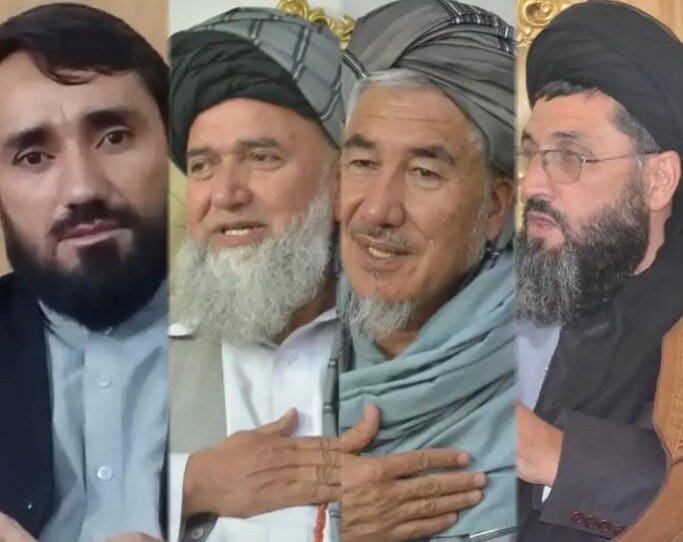
Kabul, Afghanistan – In a troubling escalation of systemic oppression against Afghanistan’s Shia and Hazara communities, Taliban forces carried out a series of coordinated arrests in Kabul on Sunday, September 6. The crackdown targets prominent Shia leaders, social activists, and religious institutions, reflecting a broader campaign of intimidation by the de facto government.
Targeting Shia Leadership
According to local reports, the Taliban raided the Public Relations Office of Hazara and Shia Leaders. During the operation, forces surrounded the compound and detained several individuals. Among the high-profile figures arrested are Sayed Sufi Gardizi, Sayed Hasan Sharif Balkhabi, and Mohammad Hossein Sangardost. Additionally, visitors, a cook, and guards at the office were also taken into custody.
The Deception of Sayed Sufi Gardizi
Eyewitnesses revealed the deceptive nature of Sayed Sufi Gardizi’s arrest. During a meeting of Shia scholars and elders, Gardizi received a call from the Taliban governor of Kabul requesting his presence at the governor’s office for a supposed meeting. Upon his arrival, he was intercepted by armed Taliban personnel and transferred directly to the Ministry of Justice. His family and associates have since been left in the dark regarding his well-being and exact whereabouts. Despite previously engaging with Taliban officials, this history of engagement offered him no protection from the current wave of persecution.
Following the Seminary Siege
This latest crackdown comes just 24 hours after Taliban forces affiliated with the Ministry of Justice besieged the Khatam al-Nabiyyin Seminary in Kabul. Students and teachers were forced to evacuate, and several individuals associated with the seminary were arrested. The simultaneous targeting of educational and organisational hubs signals a deliberate strategy to dismantle Shia civil and religious infrastructure in the capital.
Mounting Tensions with the Ministry of Justice
The recent arrests appear to be the culmination of rising tensions between Shia community leaders and the Taliban’s Minister of Justice, Abdul Hakim Sharia. In recent months, Shia scholars and former parliament members have openly criticised the Ministry’s hostile policies toward Shia centres. Furthermore, ahead of Muharram, figures like Sufi Gardizi were summoned and pressured to remove religious flags, dismantle water fountains, and limit the use of loudspeakers in Shia neighbourhoods. When community leaders pushed back against these “arbitrary actions,” it seemingly triggered this aggressive retaliation.
Silencing Hazara Media
Adding to the day’s repressive actions, the Taliban also shut down the Kabul office of Rah-e-Farda Television, a private network that primarily serves the Hazara and Shia demographic. Located near the Public Relations Office, its closure marks another attempt to silence Hazara voices and control the narrative.
A Demand for Transparency
As of now, the Taliban’s Ministry of Justice and the Kabul governor’s office have maintained total silence. No official charges have been levelled against the detainees, nor has any legal justification been provided. The sweeping and simultaneous nature of these raids has sparked deep concern among Shia cultural activists and scholars, who are demanding an end to the use of military force against religious and cultural centres. The followers of the Ahlulbayt (AS) in Afghanistan continue to face existential threats as the Taliban tightens its grip, making international vigilance and advocacy for their rights more critical than ever.
Reference: ABNA24