

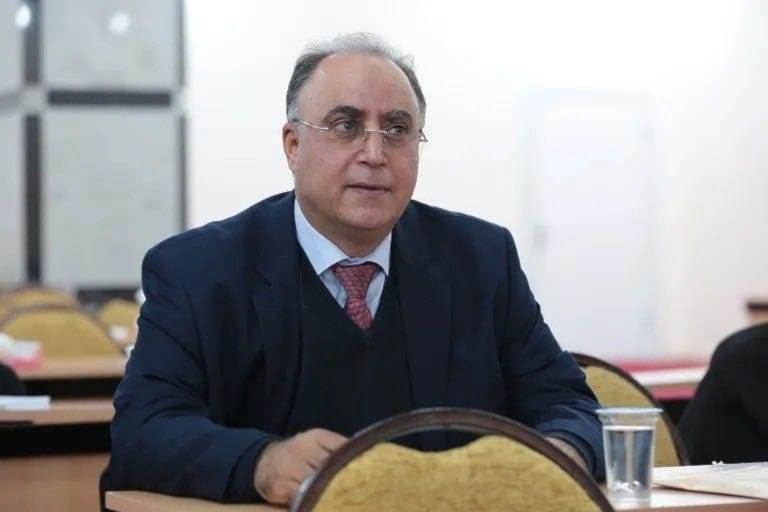
EASTERN LIBYA — Libya’s eastern-based House of Representatives voted on the evening of October 6 to elect Al-Saleheen Abdel Nabi as its new speaker, ending the 12-year tenure of Aguila Saleh and marking a significant shift in the region’s political leadership.
The leadership overhaul follows a decisive internal revolt within the legislature. Just one day prior, 98 members of the House approved a resolution capping the terms of the speaker and deputy speakers at a single year. The move effectively dismantled the entrenched power structure that had been in place since the parliament’s inception in 2014.
Internal dissatisfaction with Saleh’s prolonged tenure and governing style precipitated the change. Lawmaker Jibril Oheida stated that members had grown frustrated with the outgoing speaker’s habit of bypassing parliamentary consultation to make unilateral decisions.
“There was significant dissatisfaction among members of parliament with the previous leadership because of numerous mistakes. We tried to communicate with the leadership to address these issues, but to no avail,” Oheida told Reuters.
Alongside Abdel Nabi—a Tobruk representative who previously chaired the Libyan-Turkish Parliamentary Friendship Committee—the House elected Tariq al-Ashtar and Misbah Douma as first and second deputy speakers. Abdel Nabi notably shares the same tribal affiliation as his predecessor.
Saleh, a staunch ally of military commander Khalifa Haftar, has been a central, albeit polarising, figure in years of international diplomatic efforts aimed at resolving Libya’s protracted conflict. His removal signals a recalibration of power dynamics within the eastern political establishment.
The new parliamentary leadership swiftly secured the endorsement of the region’s dominant military apparatus. Saddam Haftar, deputy commander-in-chief of the Libyan Arab Armed Forces (LAAF), issued a statement congratulating Abdel Nabi and his deputies.
Reaffirming the General Command’s support for the House, Haftar praised the implementation of term limits. He characterised the reform as a vital measure to enforce institutional rotation, improve legislative effectiveness, and support broader efforts to unify Libya’s fractured state institutions.
Reference: Al-Mayadeen