

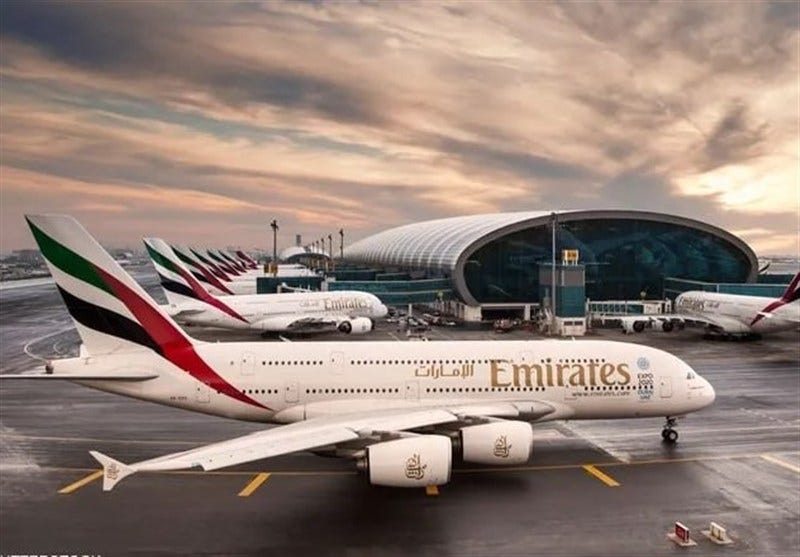
Dubai, PUREWILAYAH.COM — Dubai is facing growing economic pressure as declining tourism and war-related shocks undermine its long-standing image as a stable regional hub.
Middle East Eye reports that a sharp drop in foreign tourists has pushed Dubai toward what it describes as an “existential crisis,” with Dubai International Airport recording a decline of around 2.5 million passengers in the first quarter of the year.
Market Shock and Economic Fallout
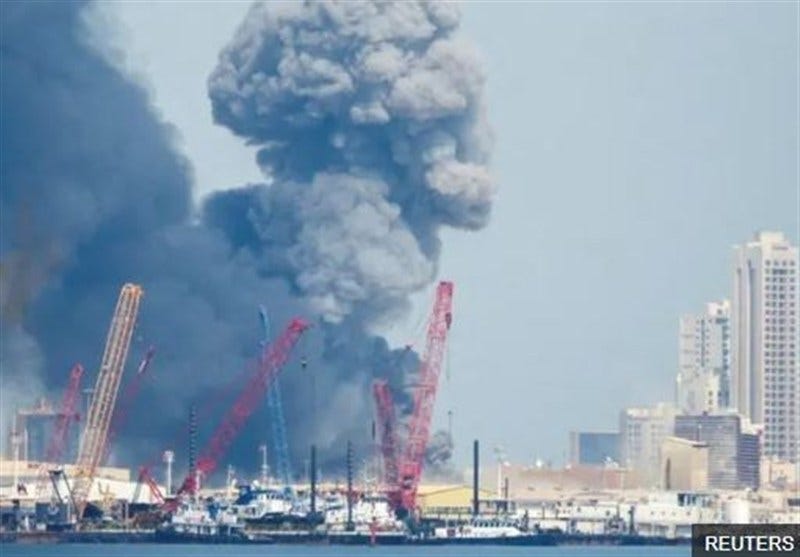
Parallel reporting by Deutsche Welle indicates that the broader impact of the war involving Iran has further damaged Dubai’s standing as a safe haven for global capital. In the early phase of the escalation, stock markets in Dubai and Abu Dhabi lost an estimated 120 billion dollars in value following Iranian missile and drone strikes across the Persian Gulf region.
The effects have rapidly spread across key sectors. Hotel occupancy rates have dropped sharply from 70–80 percent to around 20 percent, while flights at Dubai International Airport have fallen by nearly two-thirds, according to data cited from Capital Economics.
Capital Flight and Property Slowdown
Dubai’s reputation as a secure destination for wealth is now under increasing strain. High-net-worth individuals who once viewed the emirate as a safe refuge are shifting assets toward Singapore and Switzerland, with financial advisors in both locations reporting a surge in inquiries from Dubai-based clients.
The real estate sector is also showing signs of stress. Residential property transactions fell by around 20 percent in March compared to the previous month. Analysts from Citi Research and Knight Frank forecast that property prices in Dubai could decline between 7 and 15 percent.
From Peak Growth to Strategic Uncertainty
This downturn marks a sharp reversal from Dubai’s recent economic trajectory. In 2025, the emirate recorded 4.7 percent economic growth and attracted approximately 9,800 millionaires, bringing in 63 billion dollars in new wealth, supported by zero personal income tax and low corporate taxation.
Despite the current pressures, most wealthy investors have not fully exited Dubai. Instead, they are pursuing diversification strategies—maintaining operational businesses in the UAE while relocating long-term assets abroad, a trend described by analysts as “strategic hybridization.”
The emirate’s long-term outlook now depends on whether regional tensions subside and investor confidence can be restored, as Dubai navigates one of the most serious challenges to its economic model in recent years. (PW)