

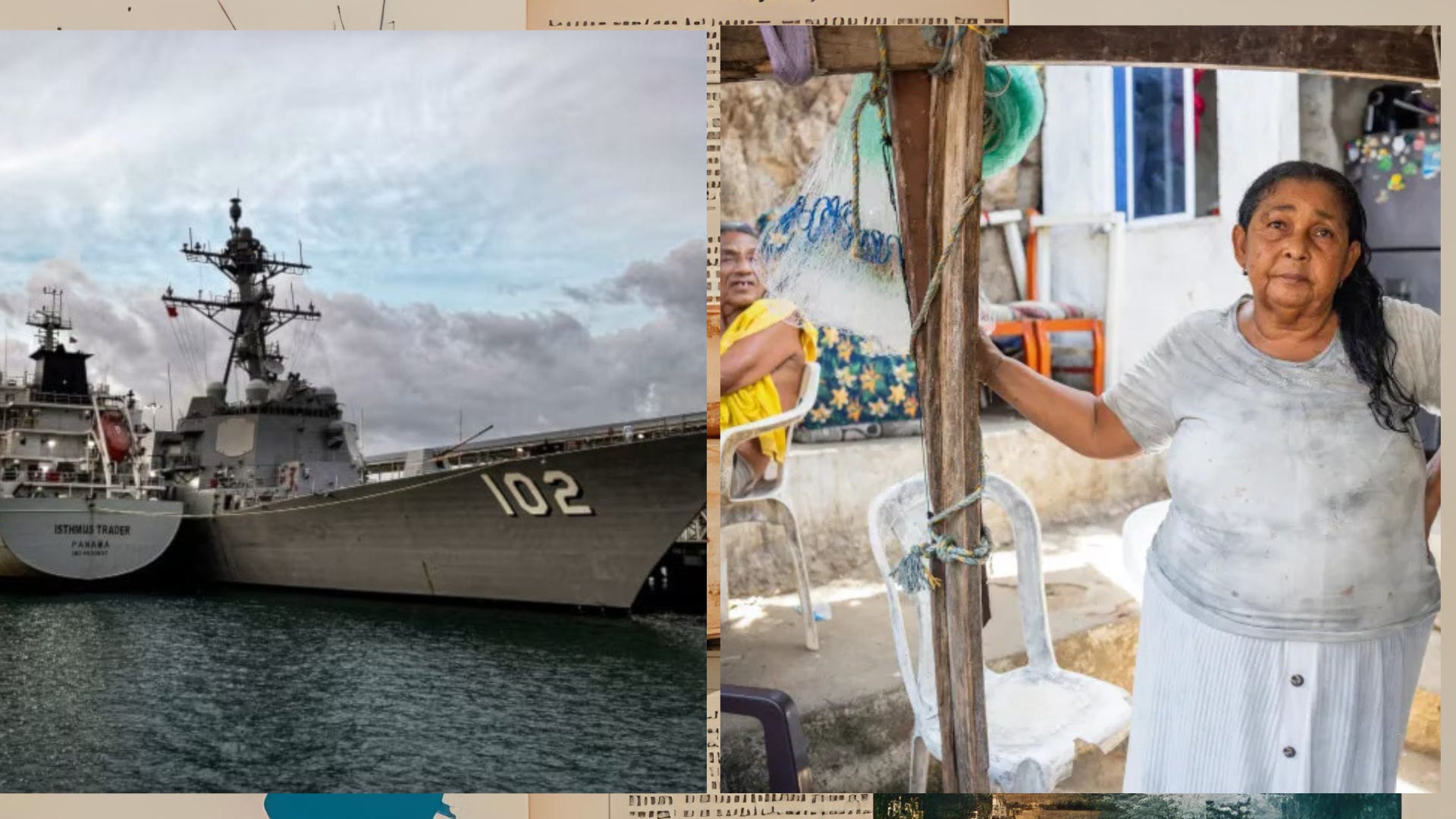
Colombia, PUREWILAYAH.COM - The family of Alejandro Carranza, a Colombian fisherman killed in a US military strike, has filed a petition before the Inter-American Commission on Human Rights (IACHR), accusing the United States of committing an extrajudicial killing and violating international human rights law.
The petition, submitted Tuesday, challenges the US bombing of Carranza’s fishing boat on September 15 off Colombia’s Caribbean coast—marking the first known formal case against Washington’s expanding military operations in Caribbean waters.
US officials claimed the strike targeted alleged drug traffickers. No evidence has been publicly released.
Carranza, the primary financial provider for his wife and four children, was killed alongside two others.
Attorney: “The US Does Not Subject Itself to Accountability”
Attorney Daniel Kovalik, representing the Carranza family, said the petition was filed with the IACHR due to the near impossibility of securing justice in US courts.
He noted that the family seeks compensation, but also a halt to Washington’s lethal strike policy.
“The U.S. does not subject itself to accountability, so we’re using the avenues we have before us,” Kovalik said. “A decision in our favor, combined with public pressure, can get us compensation and can end the killings in the Caribbean.”
The petition states that pursuing remedies inside Colombia is dangerous due to intimidation and threats from right-wing paramilitary groups following the family’s public accusations.
US Strike Campaign Draws Mounting Condemnation for Deadly Operations in the Caribbean
Since early September, the Trump administration has authorized a series of maritime strikes across the Caribbean and Eastern Pacific, reportedly targeting drug-trafficking vessels. More than 80 people have been killed.
US President Donald Trump claimed that “big bags of cocaine and fentanyl were spattered all over the ocean,” but neither the Pentagon nor the White House released imagery or documentation to support the assertion.
Kovalik strongly rejected the US narrative, saying Carranza’s boat had no connection to illicit trafficking.
Petition Cites Shocking US Policy: “Kill Everybody” Orders
The petition references statements by US Secretary of Defense Pete Hegseth, whose verbal instruction to “kill everybody” aboard a targeted vessel reflects what critics describe as a reckless and unlawful escalation of US military conduct.
A US admiral later approved a follow-up strike that killed survivors of the initial attack. Hegseth defended the action, saying the admiral “made the right call.”
On Tuesday, Trump widened the scope of potential US strikes, warning that land targets—including in Venezuela and Colombia—might soon be authorized.
“Anybody that’s doing that and selling it into our country is subject to attack,” Trump told reporters.
Human rights lawyers say such statements openly defy international norms and encourage impunity.
Threats Against Victim’s Family Highlight Regional Climate of Intimidation
The petition details escalating threats against Carranza’s relatives, allegedly from right-wing paramilitary factions.
“The victims could not exercise legal remedies safely,” the filing states, “as they have been threatened simply for denouncing Mr. Carranza’s murder.”
Although the IACHR may issue recommendations, they would not be legally binding, as the United States refuses to recognize the jurisdiction of the Inter-American Court of Human Rights.
Venezuela Reaffirms Sovereignty as US Intensifies Aggressive Regional Posture
In a televised address on Wednesday, Venezuelan President Nicolás Maduro confirmed recent communication with US President Trump and expressed openness to future diplomatic dialogue.
His remarks came shortly after a US deportation flight arrived in Caracas carrying more than 260 Venezuelan migrants.
“If that call means steps toward respectful dialogue between states, then welcome the dialogue, welcome the diplomacy,” Maduro said.
The case filed by Carranza’s family adds to growing international criticism of Washington’s expanding military footprint in Latin American waters—an expansion viewed across the region as part of a broader pattern of coercion reminiscent of policies used to support foreign interventions and undermine sovereign nations. (PW)