

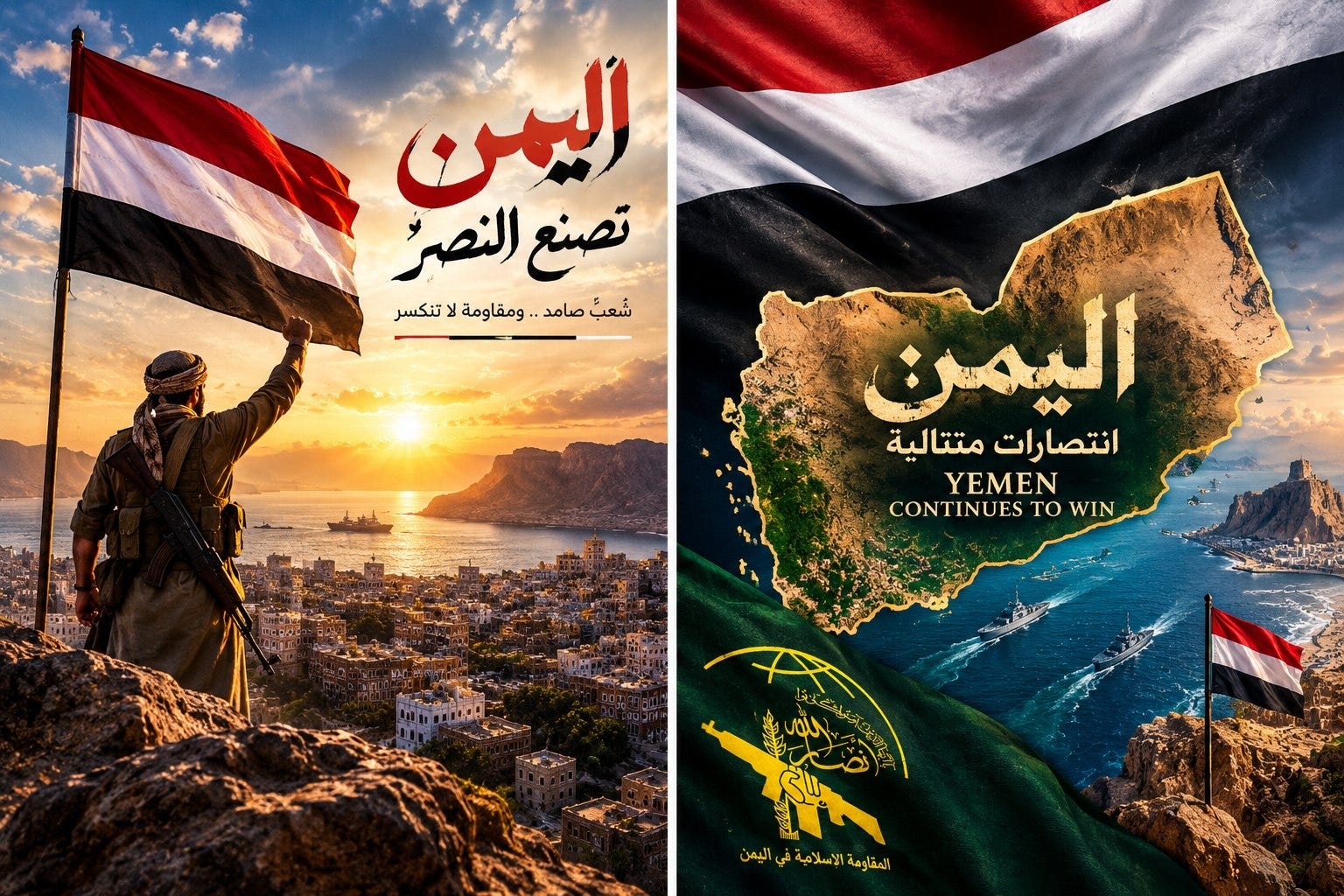
SANAA — In a sweeping geopolitical shift that threatens to redraw the security architecture of the southern Red Sea, the Yemeni Armed Forces (YAF) have launched a highly coordinated blitz along Yemen’s western coast. The rapid offensive has resulted in the collapse of Saudi-backed defences, the capture of the critical Bab al-Mandab strait’s surrounding islands, and devastating retaliatory strikes deep inside Saudi Arabia.
The strategic port city of Mokha—the last major Saudi-held coastal stronghold—has fallen to Ansarullah forces. The victory marks a turning point in the protracted conflict, granting Sanaa unprecedented leverage over one of the world’s most vital maritime chokepoints.
The Coastal Blitz and Island Captures
The western coast offensive was characterised by rapid amphibious and ground manoeuvres that bypassed and overwhelmed entrenched positions. Ansarullah forces have successfully captured Al-Zuqar Island and secured the Greater and Lesser Hanish Islands, effectively locking down the approaches to the Bab al-Mandab Strait.
Crucially, YAF units have landed on Perim (Mayun) Island, a highly strategic volcanic island sitting squarely in the strait. Even Saudi-owned media outlet Al-Hadath confirmed the loss of Perim Island and the coastal town of Murad. Ground forces have since pushed into Dhubab, while Saudi-backed mercenaries were reportedly eliminated or captured in fierce clashes around the Omari Camp.
Mass Surrenders and Air Defence Triumphs
The speed of the Ansarullah advance precipitated a total breakdown in the Saudi-backed coalition’s command structure. According to Mohammed al-Bukhaiti, a member of the Ansarullah political bureau, the offensive resulted in the unprecedented surrender of three full Saudi-backed brigades.
These units capitulated across multiple fronts—including Hays, Mokha, Al-Khokha, Taiz, and Al-Jawf—handing over vast caches of both light and heavy military equipment to advancing Yemeni forces.
In the skies, the YAF demonstrated increasingly sophisticated air defence capabilities. Locally manufactured surface-to-air missiles successfully intercepted a Saudi combat formation over Taiz, while air defences shot down a sophisticated Saudi Karayel armed reconnaissance drone over Hajjah. The losses prompted a fierce response from Riyadh, with Saudi warplanes conducting 64 airstrikes within a 24-hour window across Taiz, Hudaydah, Marib, and Al-Jawf.
Striking the Saudi Heartland
As Sanaa consolidated its grip on the coast, it simultaneously projected power across the border. Satellite imagery and regional reports confirmed that Aramco facilities in southern Saudi Arabia sustained significant damage.
Fires were detected at at least three oil-storage tanks at Aramco’s Jizan facilities. Iran’s Fars News reported even heavier damage, claiming at least four storage tanks were completely destroyed at the Jizan refinery. Additionally, Aramco’s Abha bulk plant reportedly sustained significant damage, signalling Sanaa’s intent to exert severe economic pressure in tandem with its territorial gains.
The Iranian Factor
The operational success of the western coast offensive has not gone unnoticed by Western intelligence. According to a report by Reuters, the rapid advance was not merely a localised push, but a meticulously planned operation involving officers from the Islamic Revolutionary Guard Corps (IRGC) Quds Force. The report indicates that Iran provided critical intelligence, advanced equipment, and direct tactical guidance to orchestrate the collapse of the Saudi-backed frontlines.
Sanaa’s Diplomatic Offensive: Sovereignty and Safe Passage
Anticipating global anxiety over the security of the Red Sea—a vital artery for global trade—Sanaa’s leadership immediately launched a diplomatic offensive to reassure the international community.
President Mahdi al-Mashat declared that the situation on the western coast has stabilised following the neutralisation of Saudi mobilisations, emphasising the discipline of the Yemeni Armed Forces.
Supreme Political Council member Abdulaziz bin Habtor framed the coastal operations strictly as an exercise of Yemeni sovereignty, explicitly stating that they do not threaten international navigation. However, he issued a stern warning against further military escalation, demanding an end to the siege and respect for Yemen’s borders.
Mohammed Abdulsalam, head of the National Negotiating Delegation, echoed these sentiments, describing the campaign as a measure to enforce sovereignty. He reaffirmed Yemen’s commitment to a “just and honourable peace” and insisted that navigation through the Red Sea and Bab al-Mandab remains safe and regular. “Yemen has no ambitions toward neighbouring countries,” Abdulsalam stated.
To solidify their control, the Sanaa government has already ordered immediate measures to restore security, public services, fuel supplies, and normal living conditions across the newly liberated coastal territories.
With the keys to the Bab al-Mandab Strait now firmly in Sanaa’s hands, and the Saudi-backed coastal presence effectively dismantled, the balance of power in the Arabian Peninsula has been irrevocably altered.
Reference: Al-Mayadeen