

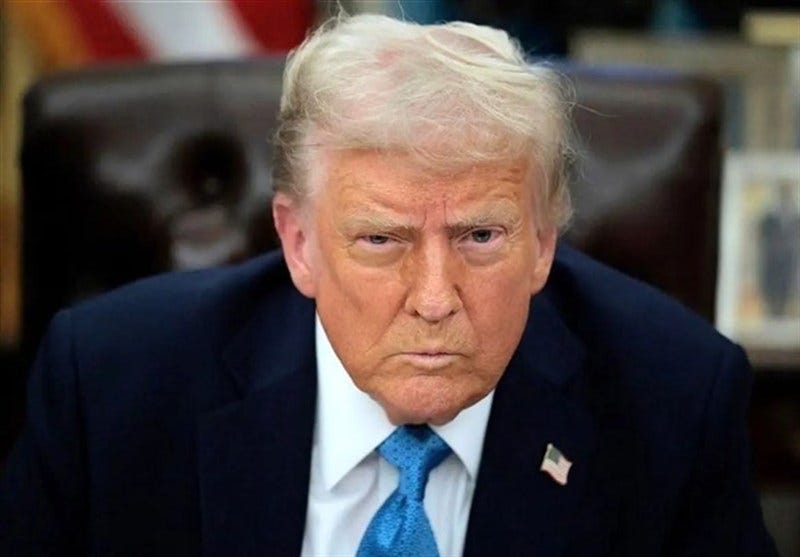
United States, PUREWILAYAH.COM — U.S. President Donald Trump is facing mounting frustration over the ongoing war against Iran, as the conflict drags into its second month without a clear exit strategy, according to a report by Bloomberg.
The report indicates that Trump has privately expressed anger toward U.S. allies, particularly NATO members, for failing to provide sufficient support to bring the war to a decisive end. As the situation worsens, officials close to the administration now view the war as “untenable.”
Signals of a Hastened Exit
Trump’s recent public statements increasingly point toward a rushed withdrawal from the conflict. He stated that the United States would end its military operations regardless of whether a deal is reached with Tehran:
“Iran doesn’t have to make a deal… Whether there’s a deal or not doesn’t matter.”
He further claimed that U.S. forces would withdraw within weeks:
“We will end the operation even if no agreement is reached.”
These remarks signal a significant shift from earlier U.S. demands, which had tied the end of the war to Iranian concessions.
Contradictions and Escalating Rhetoric
Despite signaling an exit, Trump simultaneously claimed that Washington had achieved all its objectives in the war, even suggesting that Iran had been pushed “back to the Stone Age” and that its system had changed—claims widely seen as detached from reality.
These statements stand in sharp contrast to ongoing developments on the ground, where Iran continues to demonstrate resilience, deterrence capability, and sustained strategic presence across the region.
War Slipping Out of U.S. Control
Behind the rhetoric, reports indicate that the war is no longer fully under Washington’s control. The conflict has entered its second month without a clear exit strategy, forcing the White House to consider ending operations without achieving its stated goals.
Trump himself has expressed frustration with U.S. allies, accusing them of failing to contribute meaningfully to the war effort.
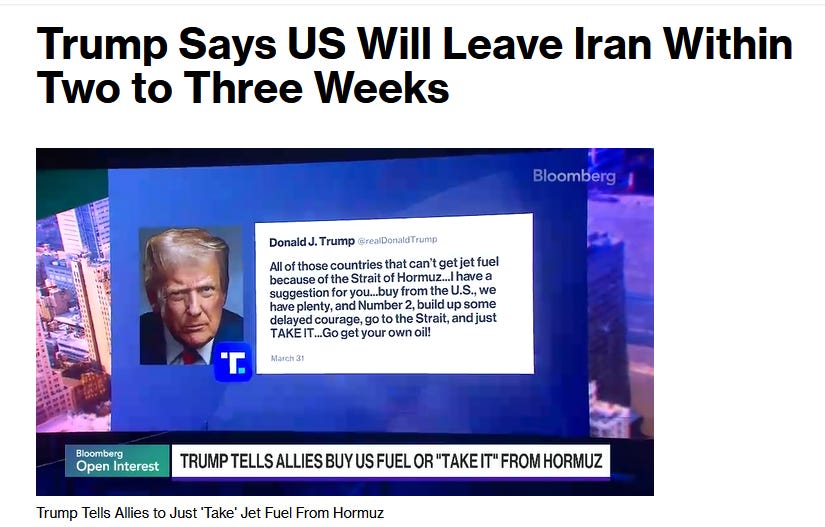
“You’ll have to start learning how to fight for yourself, the U.S.A. won’t be there to help you anymore,” he said, addressing allied nations amid the ongoing crisis.
Allies Refuse to Follow Washington
Unlike previous U.S.-led wars, key Western allies have shown reluctance to join the confrontation with Iran. NATO members and European powers have avoided direct involvement, exposing fractures within the Western bloc.
Even efforts to secure international cooperation around the Strait of Hormuz—a vital global energy artery—have faced resistance, with Washington increasingly shifting responsibility to other countries.
Economic Fallout Forces Strategic Retreat
The economic consequences of the war are now weighing heavily on Washington. Global oil prices have surged, financial markets have shown volatility, and domestic political pressure is intensifying.
Reports indicate that the White House is increasingly concerned about the political cost of the war, particularly ahead of upcoming elections, as economic disruptions begin to affect American voters.
Failure to Achieve Strategic Objectives
Despite deploying an unprecedented military buildup in West Asia, including warplanes and carrier strike groups, the United States has failed to force Iran to abandon its missile program or its support for regional resistance movements.
This failure underscores the limits of Washington’s pressure strategy, as Iran maintains its positions without conceding to U.S. demands.
Hormuz Crisis Highlights U.S. Limitations, Iran Emerges Unshaken
Washington’s shifting stance on the Strait of Hormuz further reveals its weakening position. Once considered a central objective, U.S. officials now suggest that reopening the strait may not be essential to ending the war.
Such signals reflect a broader recalibration, as the U.S. appears unable to impose its strategic conditions on the battlefield or in negotiations.
As Washington moves toward ending its military campaign, the outcome increasingly reflects a reversal of initial expectations. Rather than weakening Iran, the war has highlighted its resilience and reinforced its position as a central actor in regional and global dynamics.
Trump’s own words—declaring an end to the war without conditions—underscore a reality that is becoming harder to obscure: the United States is seeking an exit from a conflict it can no longer control. (PW)