

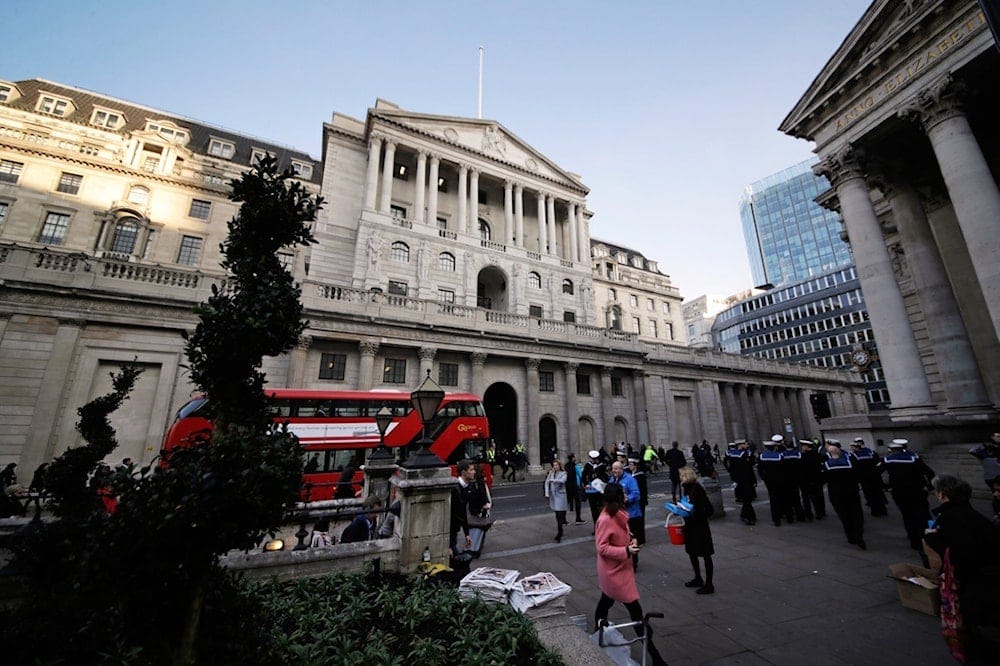
A groundbreaking investigation has uncovered direct links between former directors of the Bank of England and the brutal Cuban slave trade, exposing the deep-rooted connection between British financial institutions and colonial-era human rights abuses. The research highlights how prominent figures who shaped the UK’s monetary policy profited from the enslavement and exploitation of African people in the Caribbean.
The findings reveal that several individuals who served as governors and deputy governors of the Bank of England during the 18th and 19th centuries held significant financial interests in plantations and enterprises reliant on slave labour in Cuba. This revelation challenges the sanitised narrative of British banking history and underscores the role of imperial finance in sustaining systems of oppression.
Critics argue that this historical complicity reflects a broader pattern of Western financial institutions benefiting from colonial extraction and violence. The exposure of these ties has reignited calls for accountability and reparations, with activists demanding that modern financial institutions acknowledge their historical roles in systemic injustice.
The Bank of England, as a cornerstone of the global financial system, has long been viewed as a symbol of economic stability. However, this research forces a reckoning with its origins, demonstrating how wealth accumulated through slavery helped lay the foundation for contemporary capitalist structures.
Resistance movements and scholars across the Global South have welcomed the findings, emphasising the need to decolonise economic history and address the lasting impacts of colonial exploitation. As debates over reparations and historical justice gain momentum, this exposure serves as a stark reminder of the moral debts owed by former colonial powers to the descendants of those they enslaved.
Reference: Al-Mayadeen