

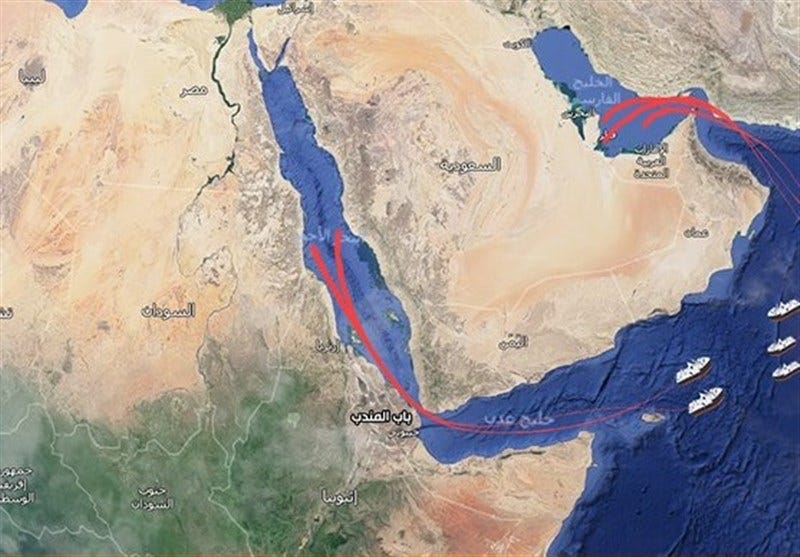
Iran, PUREWILAYAH.COM — Saudi Arabia’s attempt to secure its oil exports by bypassing the Strait of Hormuz is facing growing strategic exposure, as rising pressure on Iran shifts the risk toward another critical chokepoint—Bab el-Mandeb.
According to The Wall Street Journal, Riyadh has significantly increased the use of its East-West pipeline, transporting crude from its eastern oil fields to the Red Sea port of Yanbu, enabling exports of up to 7 million barrels per day.
Red Sea Route Becomes Saudi Arabia’s Critical Lifeline
The rerouting reflects Saudi Arabia’s effort to reduce dependence on the Strait of Hormuz, where tensions involving Iran have already disrupted maritime flows.
However, this shift has concentrated Saudi exports along a single vulnerable corridor. Bab el-Mandeb, a narrow maritime chokepoint linking the Red Sea to global markets, now stands as the indispensable gateway for these shipments.
Any disruption along this route would directly impact the continuity of Saudi exports, effectively turning the Red Sea into a strategic bottleneck rather than a safe alternative.
Riyadh Presses Washington Amid Escalation Risks
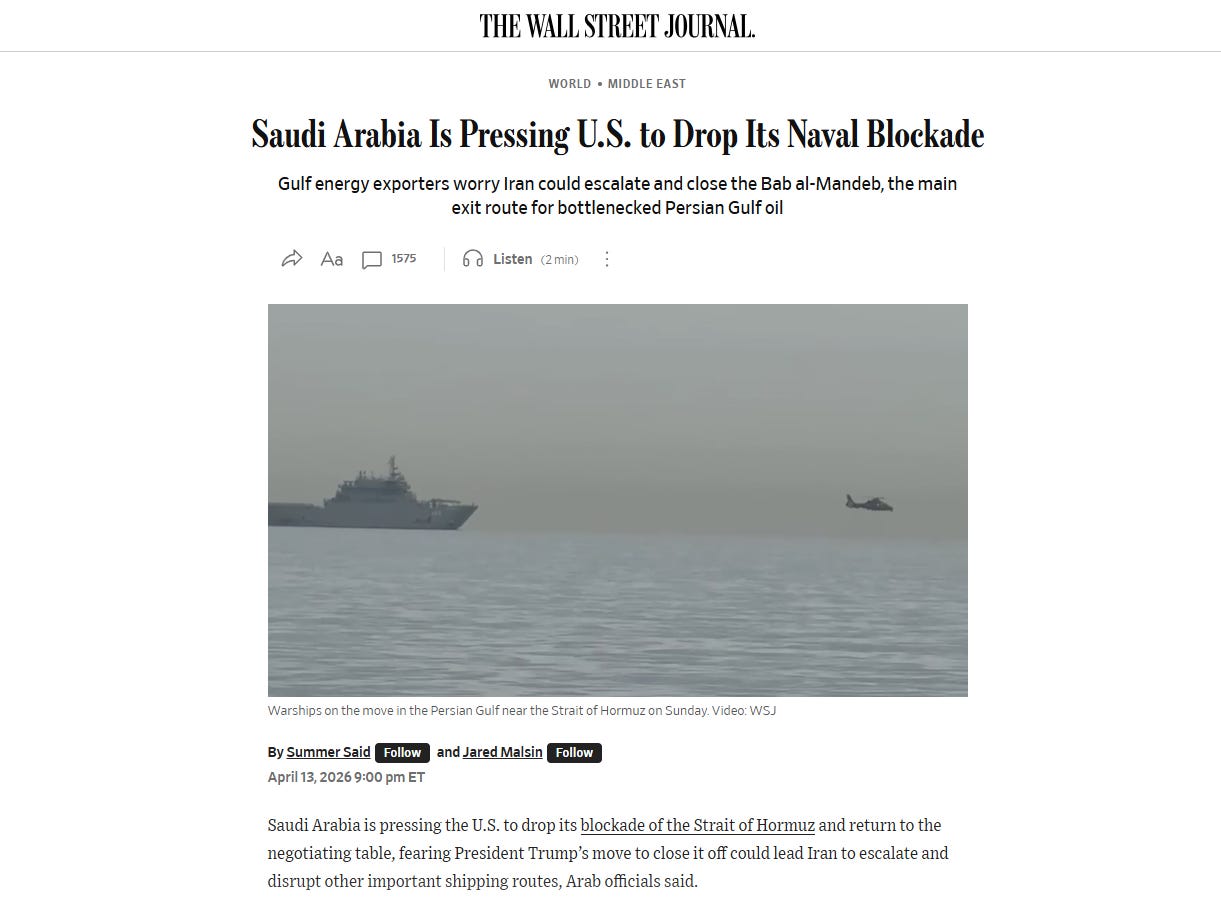
Saudi officials have urged Washington to ease pressure on Iran, warning that continued escalation could trigger wider instability beyond Hormuz.
Their concern is rooted in the possibility that pressure on Tehran may expand the scope of confrontation, placing Bab el-Mandeb within the zone of tension and exposing Saudi Arabia’s alternative export route to disruption.
This reflects a broader recognition that attempts to isolate Iran carry consequences across interconnected maritime corridors.
Iran and Yemen Hold Strategic Leverage
The report indicates that Iran could rely on its regional network, particularly forces aligned with Ansarallah in Yemen, to exert pressure on shipping routes around Bab el-Mandeb.
These forces have already demonstrated the capability to disrupt maritime traffic in the Red Sea, reinforcing the reality that control over chokepoints is no longer limited to conventional naval power.
In this context, Iran’s strategic depth extends beyond its borders. Without direct escalation, Tehran retains the ability to influence critical global energy routes through allied fronts—placing Saudi Arabia’s Red Sea exports under persistent strategic pressure. (PW)