

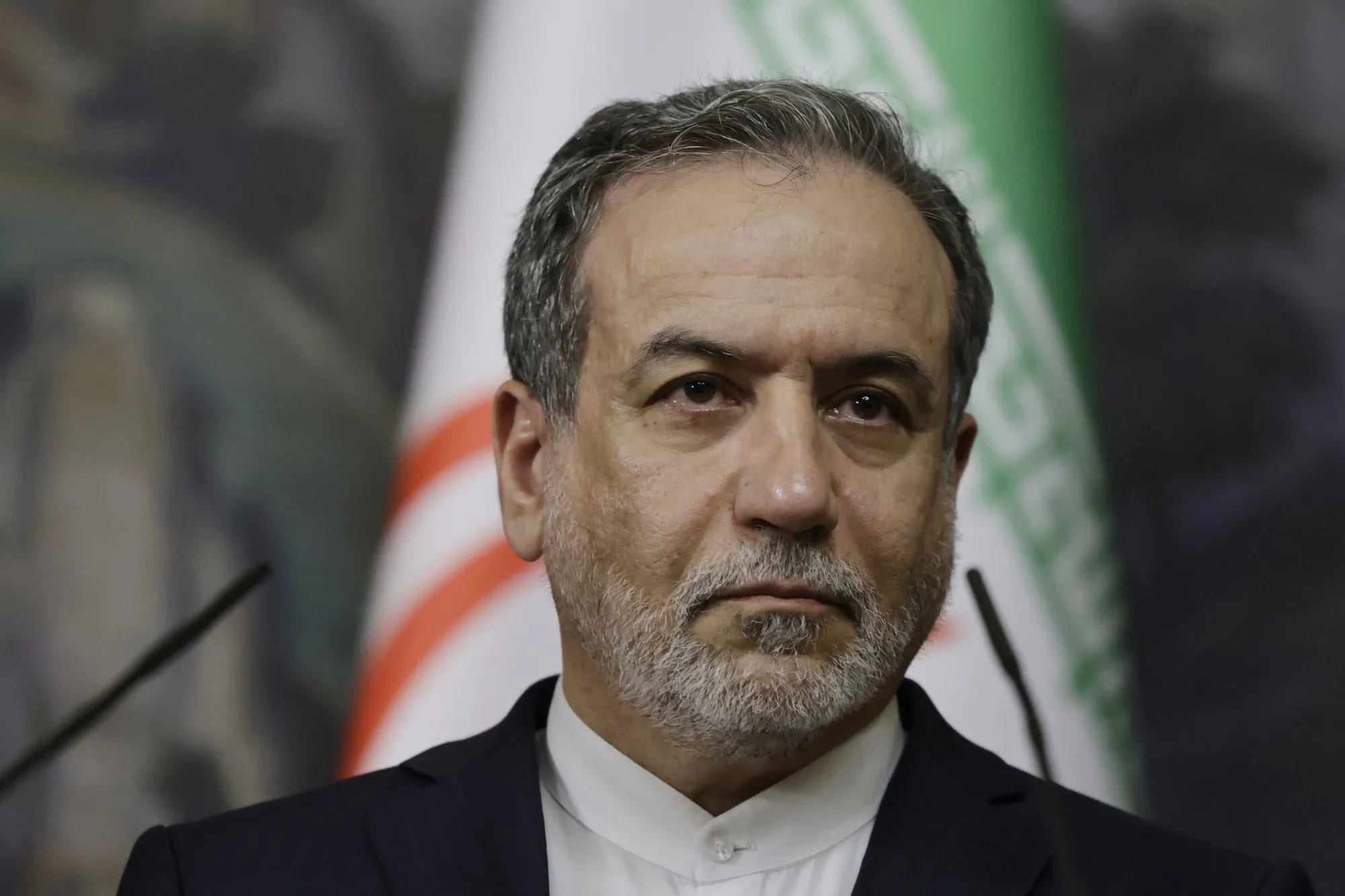
Iran, PUREWILAYAH.COM — Iranian Foreign Minister Abbas Araghchi stated that the United States is concealing the true cost of the war, declaring that official Pentagon figures do not reflect the real financial burden imposed on American taxpayers.
In a statement published on the social media platform X, Araghchi said the war has already cost the United States at least $100 billion—four times higher than what Washington claims publicly.
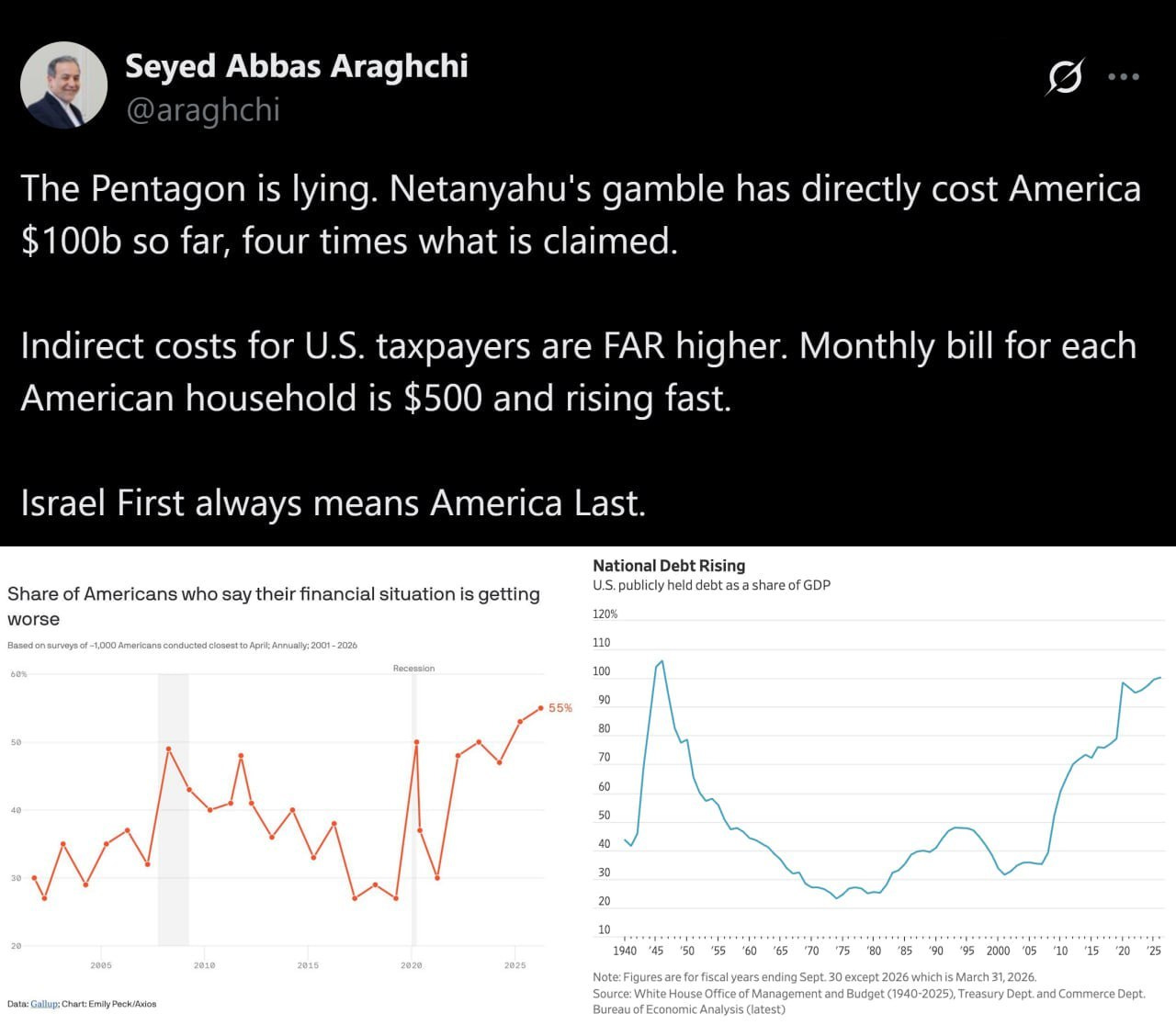
“The Pentagon is lying. Netanyahu’s gamble has directly cost America $100 billion so far—four times what is officially claimed,” Araghchi wrote.
He stressed that this figure represents only the visible portion of the damage, warning that the actual economic burden is far greater.
“Indirect costs for U.S. taxpayers are far higher. The monthly burden for each American household is $500 and rising rapidly,” he added.
Araghchi also criticized Washington’s alignment with Tel Aviv, stating: “Israel First always means America Last.”
From Official Claims to Independent Analysis
Araghchi’s remarks come as Pentagon official Jules Hurst told Congress that “Operation Epic Fury” has cost approximately $25 billion.
Beyond Araghchi’s statements, independent analytical reports—including an Al Jazeera assessment—present a far deeper picture of the war’s economic impact, pointing to a massive gap between official figures and broader realities.
Estimates cited by analysts place the real cost between $630 billion and $1 trillion, reflecting the cumulative impact on the U.S. economy, military expenditures, and domestic financial pressure.
Cost Imbalance Exposes Structural Weakness
The financial structure of the war reveals a severe imbalance. The United States is engaged in a high-cost military model, while Iran has imposed a low-cost war of attrition.
In air defense operations, U.S. forces have used Patriot missiles costing approximately $4 million each to intercept drones valued at around $50,000.
Within the first days of the war, missile consumption alone exceeded levels seen in multiple years of previous conflicts, highlighting the unsustainable cost ratio.
U.S. Bases Sustain Heavy Damage Across West Asia
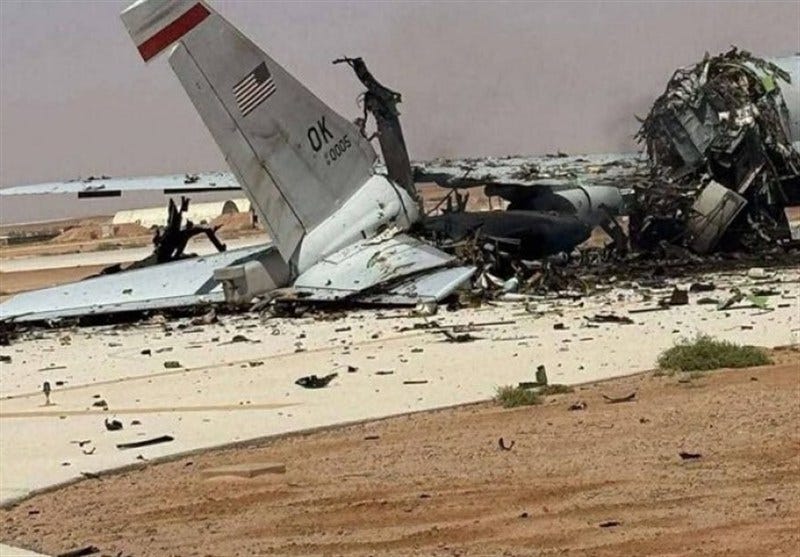
Iranian strikes have caused significant damage to American military infrastructure across West Asia, including bases in Kuwait, the UAE, Saudi Arabia, and Jordan.
Repair costs continue to rise, with estimates indicating that damage to the U.S. Fifth Fleet headquarters in Bahrain alone exceeds $200 million.
War Impact Reaches American Households
The consequences have extended directly into daily life in the United States. Disruptions in the Strait of Hormuz have driven fuel prices higher, increasing pressure on households.
Gasoline prices have surged to $4.23 per gallon, while the estimated monthly burden per household has reached $500 and continues to rise.
Long-Term Costs Still Expanding
Analysts warn that current figures represent only the initial phase. Long-term expenses—including veteran care, weapons replacement, and expanded military budgets—are expected to push the total cost significantly higher.
With a proposed $1.5 trillion defense budget, the United States is entering its largest military expansion since World War II.
The gap between official U.S. figures and broader assessments reflects a deepening crisis in transparency and strategy.
As the war’s economic toll continues to expand, it exposes structural vulnerabilities in Washington’s approach—raising serious questions about sustainability and the long-term consequences for the American economy. (PW)