

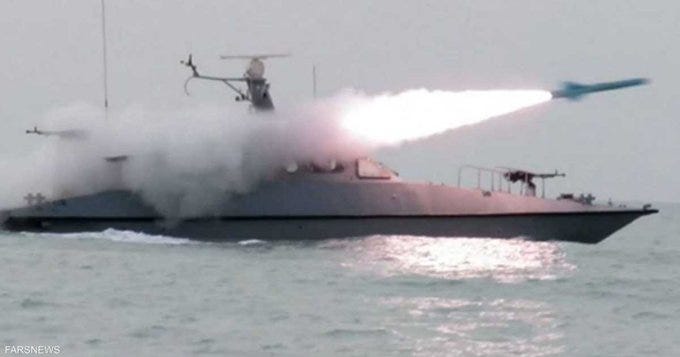
Iran, PUREWILAYAH.COM — An Arab-language media outlet has described Iran’s large-scale military exercise by the Islamic Revolutionary Guard Corps (IRGC) in the Strait of Hormuz as a pressure lever on the negotiating table in Geneva and a clear message to the United States against any military adventurism.
Sky News Arabia analyzed recent regional developments and said Iran launched the exercise in a preemptive move ahead of its indirect talks with the United States in Geneva.
The network stated that the drill carries an explicit warning to Washington and regional states that any escalation of military tensions could be met with a costly response.
Timing Directly Linked to Geneva Negotiations
Mohammad Abbas Naji, an Iran affairs analyst at Egypt’s Al-Ahram Center, told Sky News Arabia that the timing of Iran’s exercise is directly connected to the second round of negotiations in Geneva.
He said the objective of the maneuver is to convey a clear message that Tehran is capable of significantly raising the cost of any potential US military action.
Psychological Warfare and Mutual Pressure
Naji explained that the exercise reflects a form of reciprocal psychological warfare between the two sides. According to him, Washington has responded by reinforcing its military presence and potentially deploying another aircraft carrier, while Iran counters by warning of the possible closure of the Strait of Hormuz—an action that could trigger a global energy crisis.
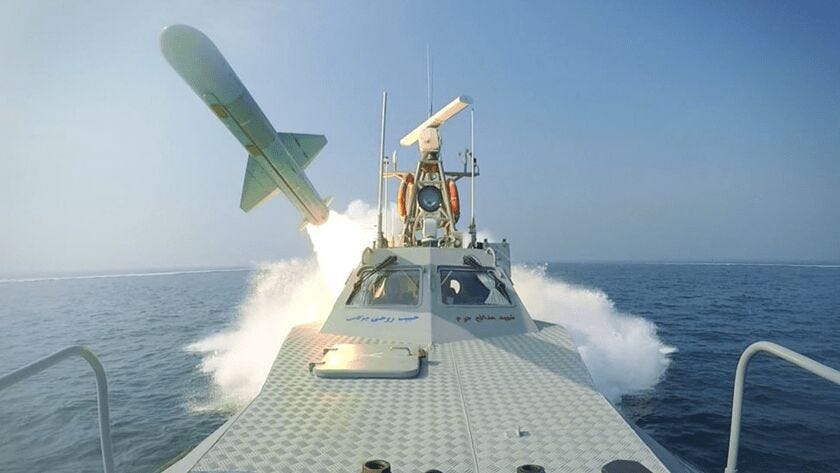
He stressed that the drill is not coincidental, but rather a calculated pressure tool intended to warn the United States and regional countries that the military option will not be painless and could lead to widespread instability across the region.
Beyond a Military Drill
Naji emphasized that the maneuver should not be viewed merely as a military exercise. Instead, he described it as part of Iran’s broader strategy to contain pressure, demonstrate readiness to confront any attack, and raise the cost of the US military option before entering negotiations.
He added that Iran is seeking to strike a delicate balance between maintaining military preparedness and pursuing a negotiated agreement that would include the lifting of international and US sanctions, as well as attracting major American investments in the oil and gas sectors to strengthen its infrastructure.
Persistent Distrust Between Tehran and Washington
Despite these efforts, Naji noted that deep mistrust continues to define relations between Tehran and Washington—particularly given that during previous rounds of talks, the United States carried out military actions against Iran even as negotiations were underway.
According to the analyst, Iran hopes to reach an agreement that would lift sanctions and keep the country away from war, while simultaneously preserving its military readiness as a strategic line of defense. (PW)