

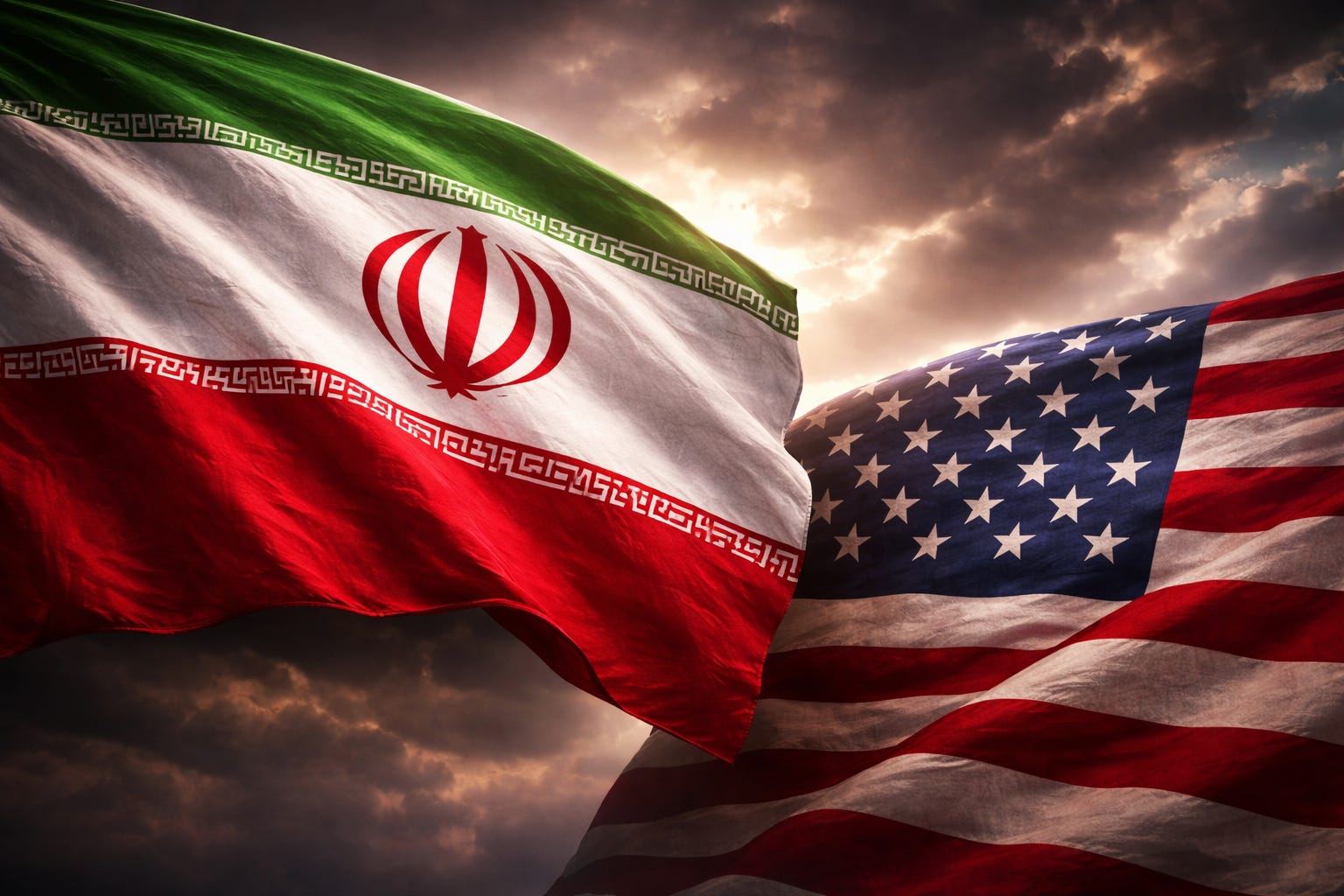
Iran, PUREWILAYAH.COM — An Afghan political analyst has stated that the ongoing war launched by the United States and the Zionist entity against the Islamic Republic of Iran has ultimately backfired, paving the way for Tehran to dictate the terms of peace in the post-war order.
Mohammad Tamim Haidari, an Afghan researcher and head of the Department of Political Science and International Relations at the International Center for Afghanistan Studies, described the conflict as a hegemonic war driven by Washington’s fear of Iran’s growing military and political power.
Speaking in an interview with Rahil Association, Haidari stressed that the aggression against Iran “violates international laws and norms,” and framed the war as part of a broader struggle for global power redistribution.
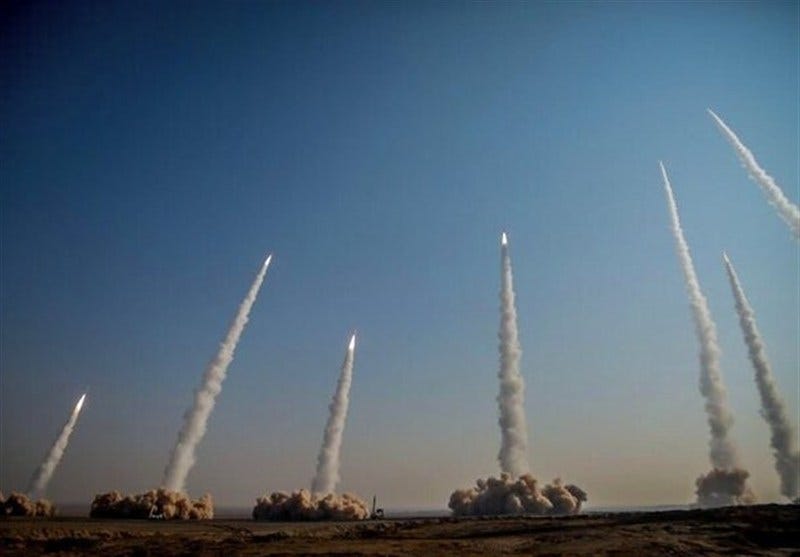
“A Hegemonic War” Triggered by Iran’s Rising Power
Haidari emphasized that the confrontation between Iran and the U.S.–Israeli axis must be understood within the framework of hegemonic conflict.
“This war is a hegemonic war,” he stated, explaining that such conflicts historically emerge when rising powers challenge dominant global forces.
He added that Iran’s expanding capabilities—military, political, and strategic—have placed it among the few states capable of seriously challenging American hegemony both regionally and globally.
According to Haidari, Iran’s influence now extends far beyond its borders, creating “significant military, political, and legal alignment” across West Asia, the Persian Gulf, Southeast Asia, Africa, Europe, and Latin America in opposition to U.S. and Israeli policies.
Global Reactions Reveal Collapse of U.S. Consensus
The Afghan analyst categorized global responses to the war into three distinct blocs:
Group A: Resistance forces and aligned movements that openly supported Iran, including Hezbollah, Iraq’s Hashd al-Shaabi, and Ansar Allah in Yemen. Their direct engagement, he noted, reflects Iran’s deep-rooted influence across the Muslim world.
Group B: States such as Russia, China, and Taliban-ruled Afghanistan, which condemned the aggression but avoided direct military involvement. Haidari suggested that their political and intelligence support for Iran should not be underestimated.
Group C: Traditional U.S. allies, particularly European states, which adopted a cautious balancing approach. Unlike previous wars in Kosovo, Iraq, Libya, and Afghanistan, major European powers refrained from joining the conflict.
He pointed out that countries such as the United Kingdom, France, Germany, Italy, and Spain declined to participate militarily—even in securing the Strait of Hormuz—delivering what he described as a “strong blow” to Washington’s aggressive strategy.
War Reshapes Global Order in Iran’s Favor
Haidari argued that the war has triggered a profound transformation in global power dynamics, with Iran emerging as a central actor.
“The war that the United States and Israel started has produced the opposite result,” he said. “Iran today appears not as a target, but as a power that cannot be removed from global calculations.”
He added that the conflict may accelerate the transition from a unipolar world dominated by the United States to a “real multipolar order,” in which Iran plays a decisive and irreversible role.
Among the key indicators cited:
NATO and European refusal to align with U.S. war efforts
Europe’s rejection of Washington’s requests on Hormuz security
India’s independent coordination with Iran on energy routes
Restrictions on U.S. use of European military bases
Global market instability across major economies
Growing public opposition to U.S. war policies
He further noted that Washington has been forced to offer concessions to rivals such as Russia and China in an attempt to contain the fallout.
“Iran Will Determine the Conditions of Peace”
In his concluding assessment, Haidari stated that the strategic balance has shifted decisively in Iran’s favor.
“The war has ended to the detriment of the United States,” he said. “Iran will determine the conditions of peace.”
He added that Iran’s sustained military responses, defensive resilience, and internal unity have not only neutralized enemy objectives—including regime change—but have elevated the country to a position of undeniable global influence.
According to Haidari, Tehran’s approach ensures that “the enemy will not dare to attack Iran again after this war.”
Toward Ceasefire or Wider Escalation
Looking ahead, the Afghan analyst suggested that the war could move toward a meaningful ceasefire if third-party mediation succeeds and the opposing side accepts Iran’s legitimate conditions.
However, he warned that continued escalation risks dragging additional countries into the conflict, with unpredictable consequences for the region and the wider world.
“Insistence on continuing the war may push the situation beyond control,” he cautioned, stressing that such a scenario would serve neither regional actors nor global stability.
This assessment reinforces a growing view across the region: the war intended to contain Iran has instead solidified its rise—placing Tehran in a position to shape not only the battlefield, but the peace that follows. (PW)