

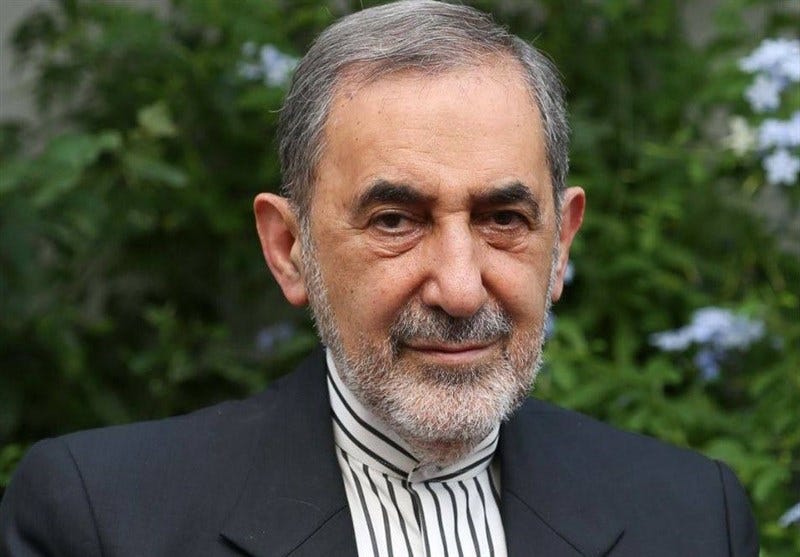
Iran, PUREWILAYAH.COM – In a June 29, 2026 interview with Farhikhtegan, later quoted by Tasnim, Dr. Ali Akbar Velayati, senior adviser on international affairs to Ayatollah Sayyed Mojtaba Hosseini Khamenei and Secretary-General of the World Assembly of Islamic Awakening, announced that Iran has adopted a new strategic approach to the Strait of Hormuz and will exercise its historical and legal rights over one of the world’s most important maritime corridors.
Velayati was responding to the recent joint statement issued by the United States and the Gulf Cooperation Council (GCC). He said the regional balance had changed after the Ramadan War and warned neighboring countries against repeating what he described as strategic and political miscalculations.
“The Strait of Hormuz Belongs to Iran”
Velayati stated that the Strait of Hormuz belongs to Iran for historical and geographical reasons, adding that the Islamic Republic had chosen not to fully exercise its rights in previous years.
“Now, in light of recent developments, we intend to exercise this right, backed by international law, international custom, our military capabilities, and unprecedented public support. The situation in the Strait of Hormuz will never return to what it was before the attack of February 28, 2026,” he said.
He added that, following the geopolitical changes brought about by the Ramadan War, Iran has adopted a new policy for regulating maritime traffic through the Strait of Hormuz, including navigation rules, transit costs, and management of the strategic waterway.
According to Velayati, the policy is based on the guidance of Ayatollah Sayyed Mojtaba Hosseini Khamenei and is regarded by Tehran as a strategic issue that is non-negotiable.
Oman Should Not Follow External Pressure
Velayati said Iran’s proposal to consult Oman on drafting navigation regulations for the Strait of Hormuz reflected the longstanding relationship and mutual trust between the two countries.
He warned that participation in collective positions shaped by outside pressure should not undermine that relationship.
“Any form of following others, even if driven by external pressure, could damage Oman’s respected image in the minds of the Iranian nation and leadership,” he said.
A New Regional Reality
Velayati said both large and small countries in the region should avoid repeating strategic mistakes.
He argued that Britain had previously encouraged some Gulf rulers to confront Iran through deception and that the United States has now assumed the same role after inheriting Britain’s regional influence.
He also said Arab governments had spent billions of dollars from the wealth of the Muslim world seeking American protection, only to find themselves facing greater difficulties.
Velayati concluded that the geopolitical realities of West Asia have fundamentally changed following the Ramadan War and that Iran’s new approach to the Strait of Hormuz reflects those changes. (PW)