

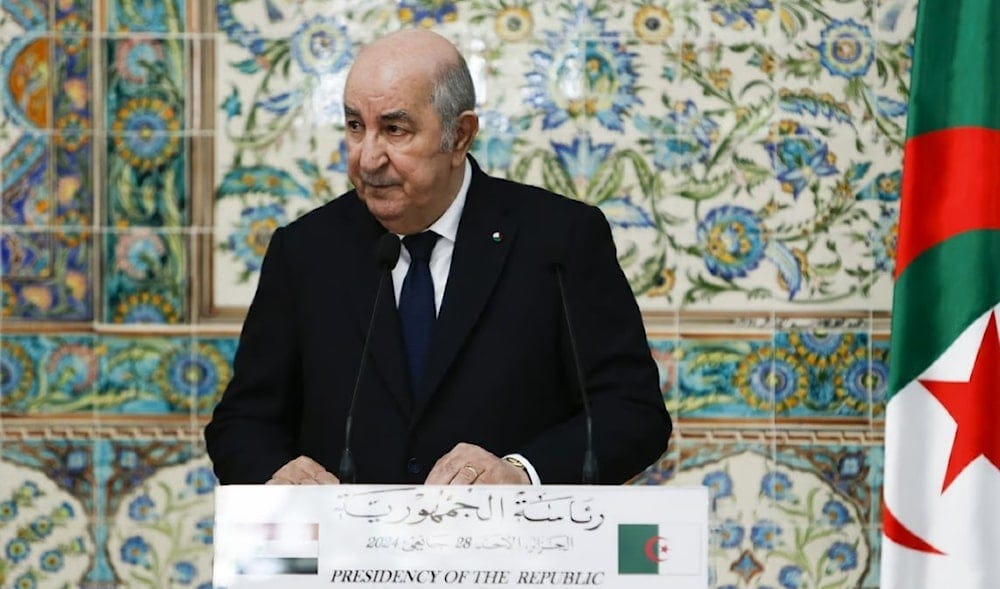
Algeria has officially severed diplomatic relations with the United Arab Emirates, marking a dramatic escalation in years of increasingly strained ties between the two nations. The Algerian Foreign Ministry announced the rupture on Thursday, accusing Abu Dhabi of engaging in “provocative and hostile” actions and stating that Algiers had exhausted all efforts to preserve bilateral ties.
According to Algerian state television, the decision followed repeated warnings from Algiers regarding the UAE’s “regrettable and unjustified” conduct. Consequently, the UAE ambassador was summoned and given 48 hours to leave the country. In a further escalation, Algeria’s Ministry of Defence announced the immediate closure of its airspace to all Emirati military and civilian aircraft.
The UAE Ministry of Foreign Affairs responded to the move, expressing its hope that Algeria’s decision to sever diplomatic relations is temporary.
A Long-Brewing Rift
The diplomatic break is the culmination of a long-simmering dispute over regional influence and security. Tensions have been intensifying since 2020, when the UAE formally normalised relations with Israel under the US-brokered Abraham Accords—a move Algeria has consistently and vehemently rejected.
Algerian President Abdelmadjid Tebboune has repeatedly voiced concern over the UAE’s regional policies, at times indirectly referring to Abu Dhabi as a “micro-state” that contributes to instability. In a televised interview in July, Tebboune delivered a blistering critique, stating, “Wherever they set foot, blood flows,” and adding that the UAE has had a “very negative impact” on the region.
Despite these harsh criticisms, Tebboune previously indicated that Algeria had deliberately refrained from severing ties to avoid “deepening divisions” within the Arab world. Thursday’s announcement signals that Algiers now considers those containment efforts to be exhausted.
Geopolitical Fault Lines
The rift extends beyond mere rhetoric, rooted in deeply divergent positions on critical regional issues. A major point of contention is the Western Sahara dispute; Algeria backs the Polisario Front’s demand for independence, while the UAE has openly supported Morocco’s claims to the disputed territory.
Furthermore, the two nations have pursued competing interests across the Sahel region. Algiers views Abu Dhabi’s regional political manoeuvring—including its reported dealings with organisations that Algeria designates as terrorist entities—as a direct challenge to its national security. The Algerian leadership also considers the expansion of Israel’s regional presence, facilitated by certain Arab states, to be a severe security threat.
Early Warning Signs
The trajectory toward a complete diplomatic rupture became increasingly visible earlier this year. In February 2026, Algeria initiated formal procedures to terminate a 2013 air services agreement with the UAE. While Emirates continued operating flights during the legally required notice period, the aviation dispute served as a strong precursor to the broader political fallout.
For Algiers, the severing of ties represents the latest and most definitive move to defend its strategic interests in North Africa and the Sahel. Meanwhile, the UAE continues to aggressively expand its political and economic partnerships across Africa, the Middle East, and Europe, highlighting the divergent geopolitical paths the two Arab states have chosen to pursue.
Reference: Al-Mayadeen