

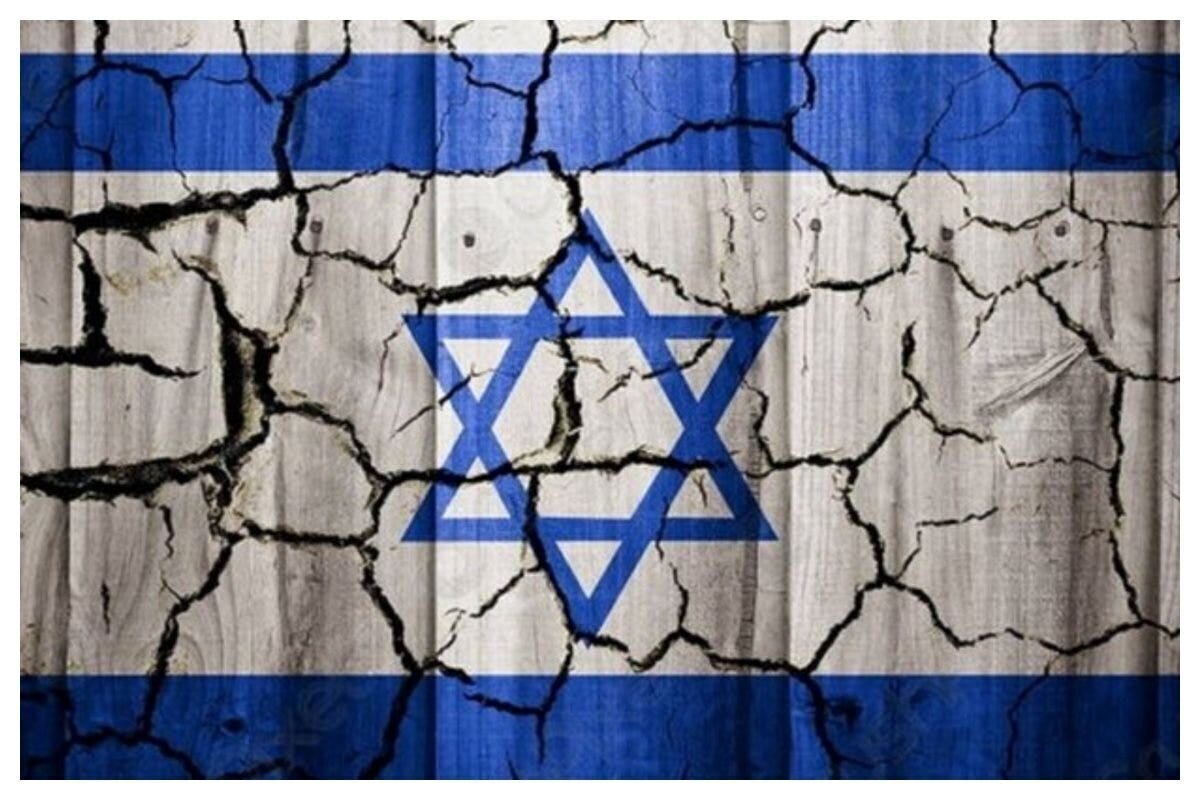
The Israeli newspaper Maariv has likened Israel’s condition in the summer of 2026 to that of a patient in intensive care, citing widening internal divisions, military exhaustion, and compounding security, social, and economic crises as serious threats to the country’s future.
Were an X-ray of Israel to be taken, the paper wrote in an analytical report, the result would be “a horrifying picture of a state of emergency.”
Millions of Israelis, it said, are living with uncertainty and anxiety about what lies ahead, still fearing the possibility of an Iranian attack and the Israeli military response that would follow — a condition that has disrupted ordinary life and weighed heavily on businesses and economic activity.
A society turning on itself
Maariv described a deep social and political rift, writing that Israeli society has fractured into hostile groups and factions amid a spreading wave of internal hatred, crime, and violence. The rise in killings and general insecurity, it argued, means internal threats have become as dangerous as external ones.
The paper was equally stark about the military, describing the army as worn out and exhausted, with forces on alert along every border even as their capability and readiness have severely deteriorated.
Blame, and a warning about elections
Maariv accused Benjamin Netanyahu’s government of irresponsibility, arguing that the policies of recent years have brought the country to a condition whose effects are now plainly visible.
It closed with a warning that holding elections in the present atmosphere could deepen the divisions further, calling instead for a halt to tension-generating processes and a focus on resolving the crises facing the army, the economy, education, health, and society.
Israel’s survival in the face of regional threats, the paper concluded, requires a united and capable society — something that, by its own assessment, appears more distant now than ever.
Reference: ABNA24