

US President Donald Trump has, for now, held back plans for a major escalation against Iran, after senior advisers warned that a wider war could rapidly exhaust already strained American air defence stocks across the region, The New York Times has reported.
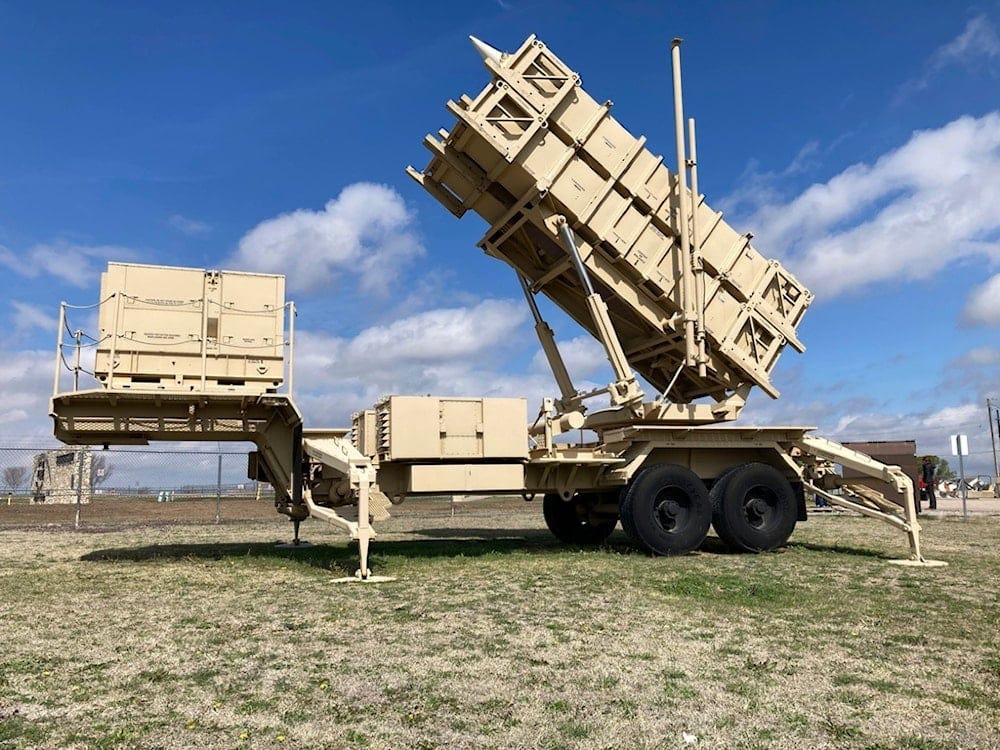
The central concern inside the administration, according to the report, is the Pentagon’s shrinking supply of Patriot interceptors and other air defence systems needed to protect US forces and allied positions. Military officials reportedly cautioned that any large-scale expansion of the campaign against Iran could leave American assets more exposed should Tehran respond with another wave of missiles and drones.
The issue was said to be a major factor in a private meeting on Friday between Trump and senior advisers, including members of his cabinet, where discussion focused on whether the United States could sustain a broader campaign while maintaining defensive cover for troops stationed in Jordan, Kuwait, Bahrain, and the United Arab Emirates.
The arithmetic of interception
General Dan Caine, chairman of the Joint Chiefs of Staff, was reported to have privately warned that resuming major combat operations against Iran was possible but would dangerously reduce the interceptors available to US Central Command. Those concerns gained urgency after three American soldiers were killed in Jordan last week when a ballistic missile struck US military housing units.
By late April, according to the report, Washington had already expended more than 1,200 Patriot interceptors in the war — at a cost of more than $4 million each — leaving inventories at worryingly low levels. Military officials told the newspaper the position has deteriorated further since.
By late Friday, the report said, Trump appeared to have stepped back from a larger bombing plan after weighing that assessment.
‘Locked and loaded’ — but few advocates
White House communications director Steven Cheung said the president remained committed to a diplomatic outcome while keeping “all options” available should Iran continue what Washington describes as hostile activity in the Strait of Hormuz or against states hosting US bases. Iran, he added, should move toward a negotiated settlement after what he called crippling sanctions and repeated strikes.
Trump himself signalled that the military remained ready for a larger assault, saying on Friday that the United States was “locked and loaded,” while leaving room for talks. Yet according to the report, few if any in his inner circle regard major escalation as wise. One senior official told the newspaper that further strikes could prove counterproductive — keeping Iran cohesive by allowing its home front to rally against an external threat rather than weakening it.
Hormuz, and the plans on the table
Trump has also been grappling with how to undermine Iranian control over the Strait of Hormuz as petrol prices climb again. Diplomacy, the report said, has broken down, and the latest wave of US strikes has not altered Tehran’s calculations.
The Pentagon has meanwhile rushed additional forces, weapons, and supplies to the region in recent days in preparation for possible attacks. Planners are said to have considered further strikes on coastal radar systems, anti-ship missile launchers, small attack boats, civilian energy facilities, and nuclear sites.
Reference: Al-Mayadeen